Have you been thinking about adding a battery to your home or upgrading your energy system? There’s never been a better time. The Australian Government has just launched the Cheaper Home Batteries Program, designed to make battery storage more affordable and accessible for households across the country.
In this blog, we will walk you through the program’s details, covering eligibility criteria, how the rebate works, and most importantly, how much you could save.
What is the Cheaper Home Batteries program?
In early 2025, the Australian Federal Government announced their commitment to implementing a program designed to assist homeowners in investing in solar batteries to ease cost-of-living pressures. Thus, the Cheaper Home Batteries program was launched on the 1st of July 2025.
The Cheaper Home Batteries program works on the same premise as the federal solar rebate. For every megawatt-hour your solar system will produce, you generate what’s called an STC (Small-scale Technology Certificate). These STCs translate into a monetary rebate, which is applied to the upfront cost of your system.
You will generate more STCs the larger your system is. Meaning you will earn a larger rebate. The Cheaper Home Batteries program works the same way, but it’s based on kWh of usable battery capacity. The more battery capacity you install, the more rebate you receive.
Read More: What Are STCs?
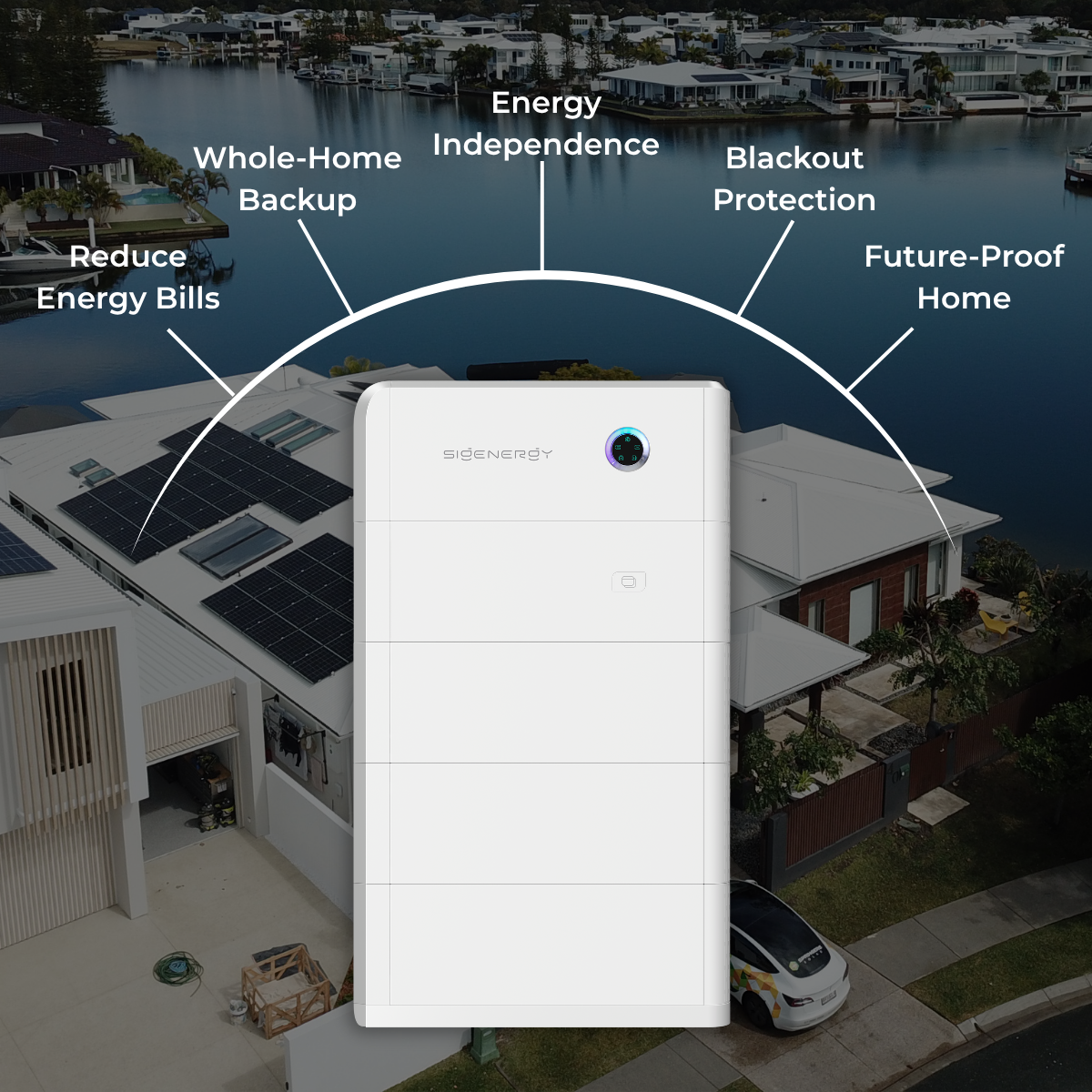
Solar batteries are proven to maximise the benefits of solar systems and significantly reduce electricity bills. Solar batteries store excess energy generated by your solar panels during the day, so you can access that energy at night or on a cloudy day when solar generation is minimal. This reduces how much electricity you need from the grid - if any.
With the Cheaper Home Batteries program, Aussie homeowners can save a significant amount of money on the cost of installing a solar battery system. These savings help reduce the payback period for a solar battery system and make this level of energy independence more accessible to homeowners.
Who is eligible for the program?
The national Cheaper Home Batteries Program isn’t means-tested; the eligibility criteria is based solely on the battery and capacity. The rebate can only be claimed once per household.
Eligibility requirements:
- A battery system between 5 & 100kWh usable capacity
- Both the battery and inverter must be CEC-approved
- If you’re adding to an existing system, everything must be CEC-compliant
- It must be installed by an approved installer (like us)
You’ll be able to get the rebate on any eligible battery system between 5-100kWh in capacity, and the actual STCs are generated based on the capacity of your battery, up to the first 50kWh of usable capacity.
So, if you install 80kWh of battery capacity, you’ll get the rebate on the first 50kWh of your capacity, but if you were to install, say, 45kWh of capacity, all 45kWh is eligible for the rebate.
It’s also important to note that this rebate is open to both on-grid and off-grid battery systems. The only requirement for on-grid homes looking to claim the rebate is that the system must be capable of connecting to a Virtual Power Plant (VPP). Don’t worry, though; you’re not required to join a VPP, your system just needs to be capable of joining.

How much can you save with the program?
As this program will be working within the current STC rebate system, your system will generate small-scale technology certificates (STCs), which translates to monetary savings.
The value of STCs is set for each calendar year and will gradually decline every January until the program ends in 2030 - so, it’s more worthwhile to install a battery in 2025 versus 2029. In 2025, the value is set at 9.3 STCs per kWh, which is equivalent to roughly $372 per kWh, which means you can save up to 30% on the price of your battery installation.
Year | 2025 | 2026 | 2027 | 2028 | 2029 | 2030 |
Estimated value per kWh | $372 | $336 | $296 | $260 | $224 | $188 |
STC factor | 9.3 | 8.4 | 7.4 | 6.5 | 5.6 | 4.7 |
What are the benefits of installing solar batteries?
Adding a solar battery is a smart investment for homeowners that allows them to cut costs, gain energy independence, and future-proof their property.
By storing excess solar power for use at night, you can slash electricity bills and reduce reliance on the grid. This gives you greater independence from rising energy prices, meaning you can break up with traditional power companies. Having control over your energy also allows you to utilise more of your own energy instead of sending unused solar back to the grid for a low feed-in tariff.
Read More: Why Are People Buying Solar Batteries in Australia?
Additionally, batteries can provide backup energy. This is especially important during outages, which can be common for areas of Australia that get hit the hardest by the harsh climate. Having backup protection allows you to keep essentials like fridges and lights running when you need them most.
Picking the right battery for you
Here are our top tips to pick the right solar battery for you.
Evaluate your energy needs
Do you know how much energy you use per day? Knowing your energy usage is important because you don’t want to invest in a battery that isn’t going to meet your needs.
Let’s look at this family, Matt, Olivia, and their two kids, for example:
They own a 3-bedroom home in the suburbs. Both Matt and Olivia work office jobs; Matt works in the city from 9-5, Monday-Friday, while Olivia works her 9-5 flexibly so she can do the school run. Because of their schedules, most of Matt & Olivia’s heavy energy draw falls into energy ‘peak’ hours.
For Matt and Olivia, investing in a solar battery system would be a smart decision for their family. Most of their energy draw falls in peak hours, meaning that a significant portion of their large electricity bill is a result of powering energy-heavy appliances during the period where energy costs the most.
Adding a solar battery to their home would reduce or even eliminate this cost for them. The solar battery could be easily charged from their solar panels during the day, and they could then draw on this power when Olivia and the kids get home in the evenings.

So, the first thing Matt and Olivia would need to do is to figure out how much energy they use on average. Once they know this, they can figure out what size battery system would work best to offset their peak energy usage. This step is key for Matt and Olivia, as they don’t want to invest in a battery that is too small to handle their household’s average daily usage.
Additionally, knowing the minimum battery size they could comfortably need can help them to determine if and how they might want to expand on their battery choice - do they want a bigger battery capacity to future-proof their investment? Do they want to choose a battery with more advanced features? Having this knowledge can help guide them to find the battery that best suits all of their needs.
So, how do you work out your energy usage and how much battery capacity you need?
Start with your electricity bill. It will state your average daily usage. If your bill doesn’t show this, you’ll have to do a bit of maths to figure out your average daily usage:
- Find how much energy you used - this will always be expressed as ‘kWh’
- Divide your total energy by the number of days for that period
- For example, if you have a monthly bill, you’ll divide the kWh by 30, or if it’s quarterly, divide it by 91 (as an approximation)
If you want to be really accurate about your energy usage, you can collect your bills from a 12-month period, work out the average daily usage for each month, and then find the average from those. While this will get you an accurate average, this isn’t super necessary if you’re energy bills are roughly all the same.
Consider your future needs
Now that you have your average daily usage, you can figure out how much battery capacity you need. We recommend choosing a battery that is going to cover your daily usage, as well as offer a couple of days of backup power, so you can keep your essentials powered if there’s a grid outage. To work this out, multiply your average daily usage by the desired days of autonomy. Typically, we multiply the average daily usage by 2 to allow 2-3 days of backup power.
For example, Matt and Olivia have an average daily usage of 9.6kWh. So, if they were looking for a battery to cover their usage and provide a couple of days of backup, they would need a battery with at least 20kWh capacity.
Another thing to consider is the future of your energy - are you considering expanding your family or adding an electric vehicle in the near future? If so, it’s worth ensuring that the batteries you pick now are still useful to you in the future.
Heading back to Matt and Olivia, while the 20kWh battery is just what they need now, they are thinking about having a few kids in the next 5-10 years, which would increase their energy usage by a significant amount. With this in mind, they have a few options: they can oversize their battery now (if they have the funds), or they can pick a modular battery. Picking a modular battery means they can upscale their current battery stack instead of needing to buy a whole new one.
Research battery brands
Focus on selecting a reputable brand known for reliability and long-term performance. Compare:
- the warranty period
- the battery’s efficiency
- the safety features
The warranty period offered by the manufacturer can be a strong indicator of the overall quality of the product. Most home solar batteries are lithium-ion batteries, which have an expected lifespan of roughly 10-15 years.
The standard warranty period for batteries among industry-leading manufacturers is 10 years. This indicates that the company believes in the quality of their product enough to cover it for most, if not all, of the average lifespan. Choose a battery with a minimum warranty period of 10 years to ensure the protection and longevity of your investment.
Another quality indicator is the battery's efficiency rating. This rating can be found in the datasheet or specifications for the battery, and is usually referred to as either ‘efficiency rating’ or ‘round-trip efficiency’. This rating relates to how much energy is lost during the battery’s discharging and charging cycle, with the higher the efficiency rating, the less energy the battery wastes during its cycle.
Having a higher efficiency rating means that the battery is maintaining more of its energy throughout its cycles, which allows it to perform better over time. With lithium-ion batteries, we recommend looking for an efficiency rating of at least 90%.
The last thing to consider here is the safety features of the battery. As with any electrical product sold in Australia, solar batteries have to meet certain safety requirements to be allowed to be sold here. While the standard for solar batteries is already high, there are additional safety features that some batteries will offer.
Here are some examples of additional safety features:
- Fire-resistant casing that is UL 1973 compliant
- Wind-load rated mounts for wall-mounted batteries
- Salt mist protection (especially important for coastal homes)
- Local warning alarms for faults
- Additional internal temperature monitors
- Internal cooling/extinguishing systems
Additionally, your solar battery system should have some level of remote monitoring for you to access. While this isn’t necessarily a safety feature, we still class it as an important one. Remote monitoring is designed to allow you to access your system’s data live and on demand, but it should also monitor your system’s performance for any faults or safety issues
The more sophisticated monitoring platforms allow you not only to monitor this data, but also to use it to optimise your system. Having this level of control over your system isn’t absolutely necessary, but we highly recommend it if you can, as being able to optimise your system for your energy needs can have a significant impact on the ROI of your system.

Sigenergy SigenStor
5-in-one modular system combining solar, EV charging, and single or three-phase backup.

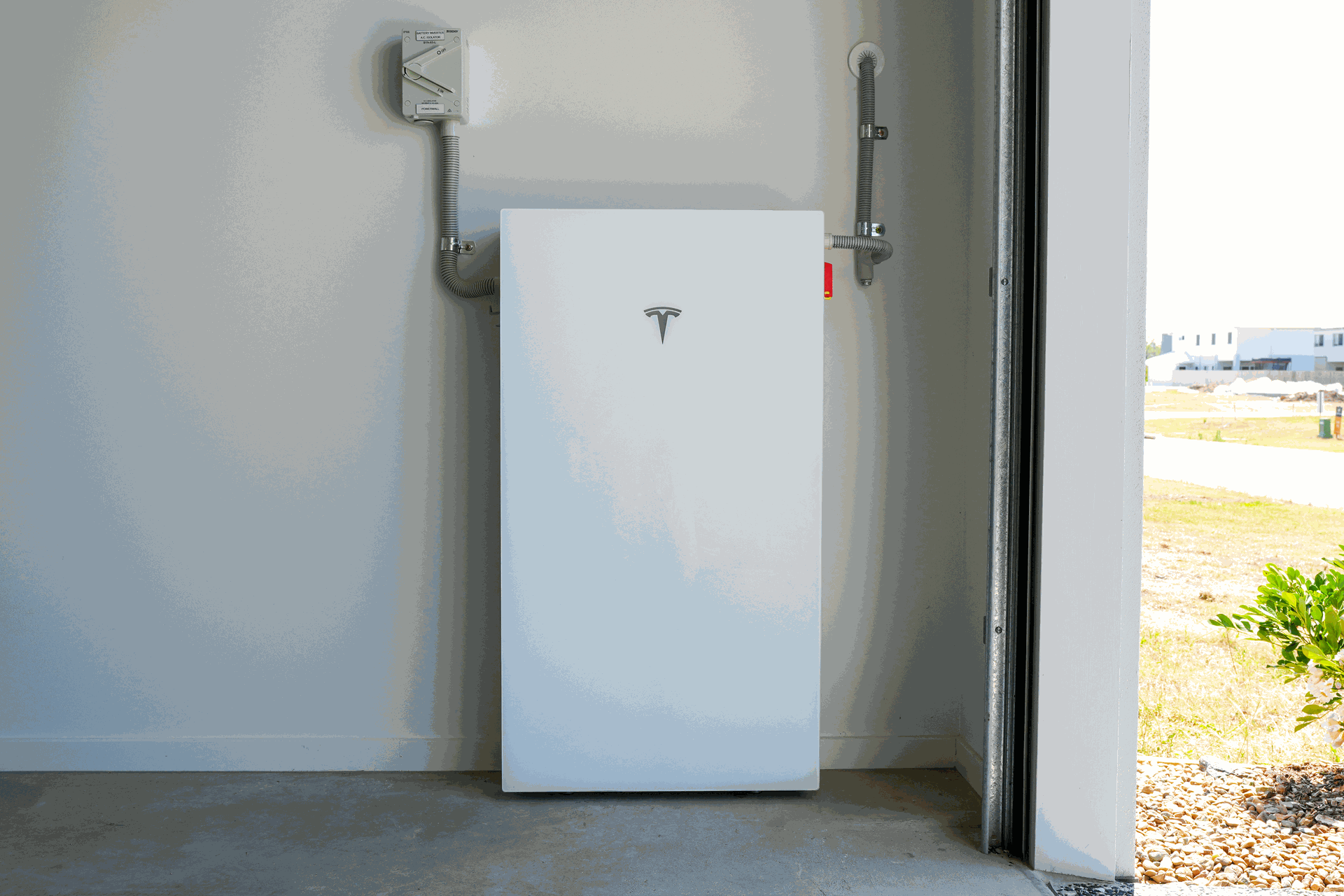
Tesla Powerwall 3
5 or 10kW integrated inverter and 13.5kWh storage capacity with single-phase backup.
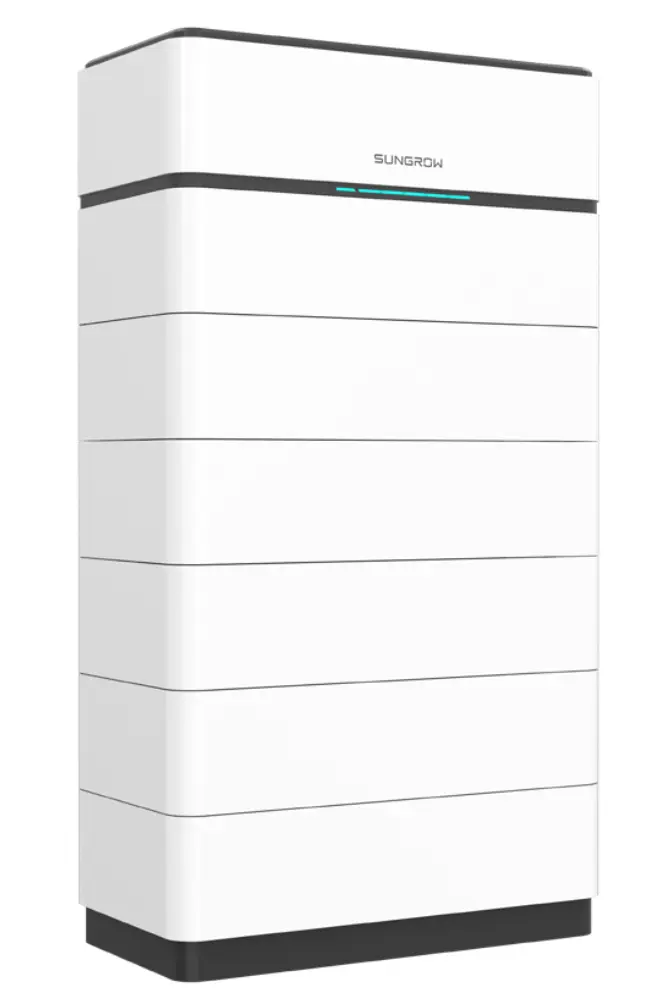
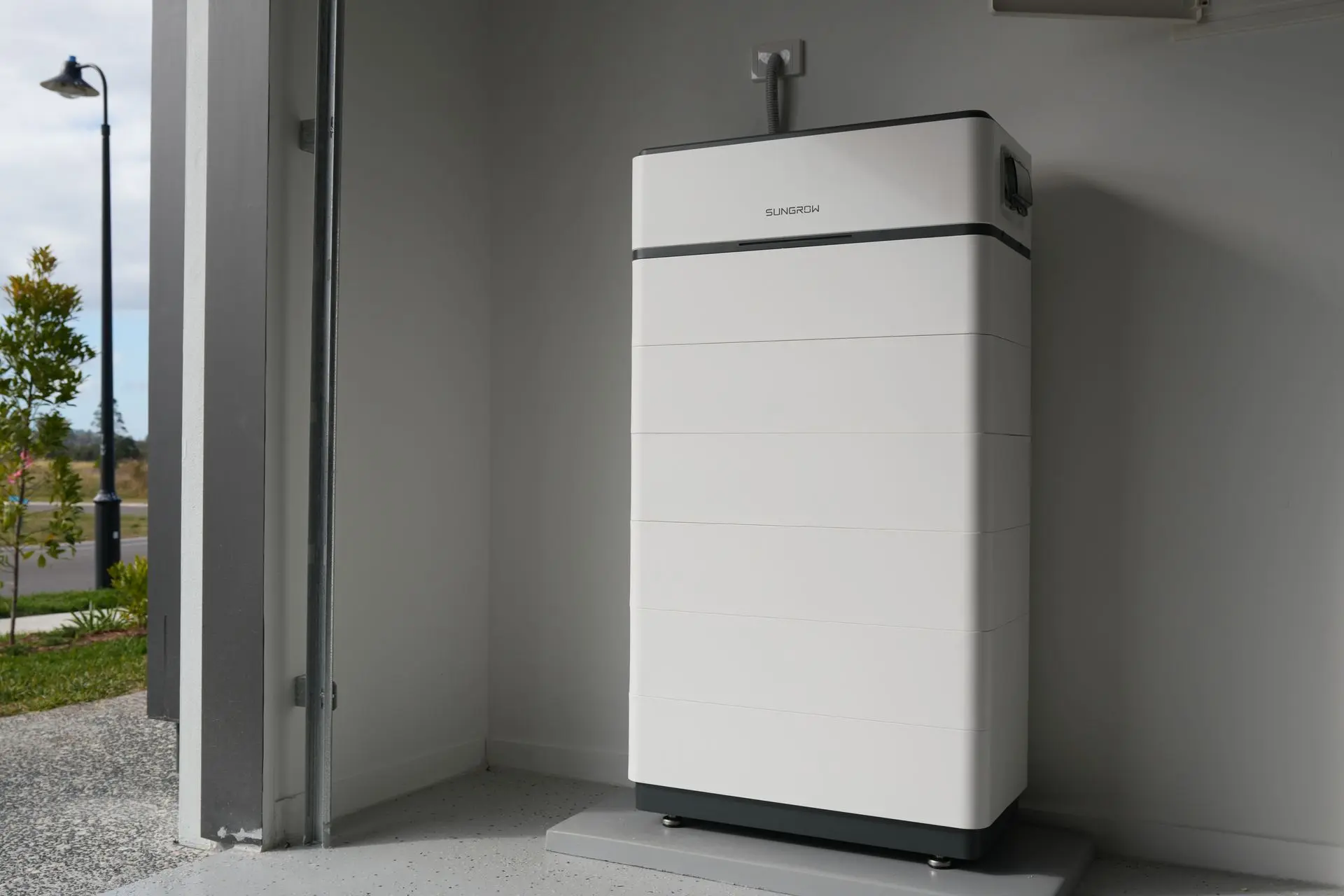
Sungrow SBH Series
From 20kWh single or three-phase backup. Modular & compatible with hybrid inverters.
Consider the price
Obviously, price will play a big role in your decision-making. Price varies a lot depending on the battery and the installer.
It might be tempting to go with the cheapest battery quote you can find, but approach it with an air of caution. A cheap battery is usually cheap for a reason; it could be hastily made, barely meets regulations or is made from materials that will fall apart in a handful of years. As a general rule, stay away from anything that is far cheaper than the rest.
Aim to pick a battery that finds a nice middle ground between price and quality. We recommend receiving multiple quotes, comparing and researching the brand. It’s also helpful to read reviews for specific models, so you get a real person’s view of the product. You’ll pretty easily be able to sniff out a battery that is too cheap or way overpriced.

Choose a reputable installer
Our final recommendation is to consult with a reputable, licensed solar installer. A licensed installer can assist you in assessing your energy needs, provide expert advice and recommend the most suitable battery for your home.
It’s important to research your installer as much as you would your battery, especially in the boom of the Cheaper Home Batteries program. We highly recommend finding an installer that has a clear history of installing solar batteries and is upfront with you about their installation process.
A solar battery is a significant investment, and installing one is not a job for just anyone to do, so it’s super important that your installer has a proven track record. You could pick out a top-of-the-line battery, but if it’s installed incorrectly or poorly, it won’t perform as it should, or in the worst case, it could even be dangerous for your home.

This is why quality workmanship is so important - knowing the installers who will fit your solar battery are working to the highest standard is critical. A reputable installer will offer a workmanship warranty on the installation. This shows you they are confident in the quality of their work, and it also reassures you that even if something were to happen with your system, they will ensure the system is safely taken care of.
Another clear way to evaluate the quality of an installer is whether or not they are licensed and approved by the right governing bodies. It is a must that a solar battery installer have a valid electrical license, and they must be approved by the Clean Energy Council (CEC). Additionally, there must be individual installers within an installation team who have their installer accreditation from Solar Accreditation Australia (SAA).
Both the CEC and SAA are government-regulated entities designed to ensure the safe installation of solar and battery systems. It is a serious red flag if an installer doesn’t have both of these accreditations, and we highly recommend finding a different installer.
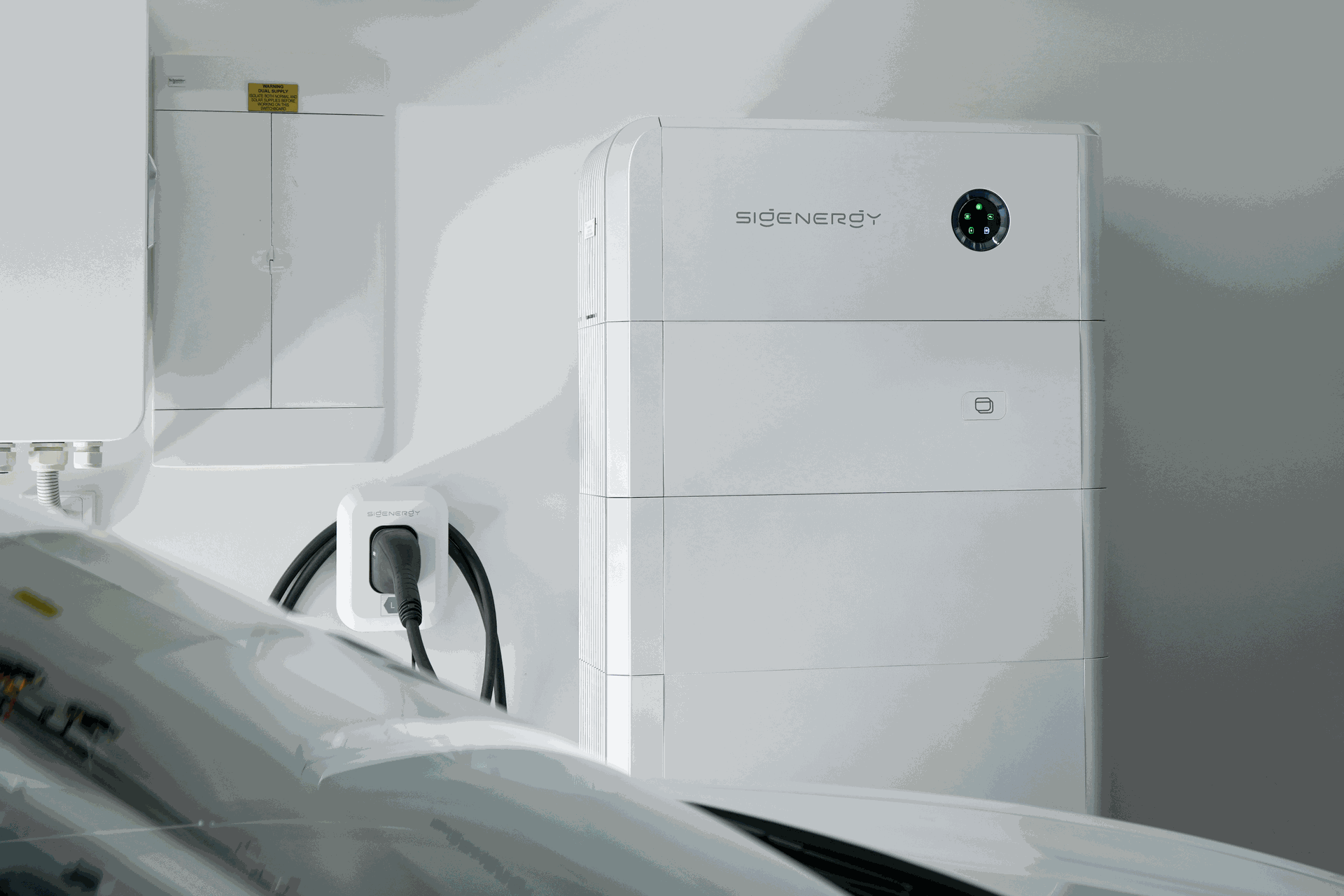
Once you’ve evaluated your energy needs, researched different battery options, compared prices and consulted with a professional, you’ll be on the right path to picking the best solar battery for your home.
Springers Solar | Queensland's Most Experienced Solar and Battery Installer
Springers Solar provides quality components with proven performance, backed by industry-leading warranties and dedicated after-sales support. Thousands of satisfied customers over 23 years of operation make Springers Solar one of the most established and experienced solar companies in Australia.
Springers Solar have received multiple awards for design and installation and is a certified/preferred installer for a large range of solar panel, inverter, and solar battery manufacturers, including Sungrow, Tesla, Sigenergy, and SolarEdge.
Our dedicated in-house team of electrical engineers, project managers, solar PV designers, solar installers, and electricians work closely with you before, during, and long after your project is completed. Springers Solar offers an industry-leading 10-year workmanship warranty, which is a testament to our qualified staff and offers you outstanding peace of mind.
Federal Battery Rebate Explained