Have you invested in a home solar and battery system expecting near-zero electricity bills, only to open your latest electricity bill to see a small grid import charge? Or does your monitoring app show 100% battery capacity while your smart meter continues to register kilowatt-hours from the grid?
You aren’t alone. As more Queensland households install battery storage alongside rooftop solar, one common question our team receives is why grid-connected systems still draw small amounts of electricity from the network even when the battery is completely full.
Read more: Best solar batteries 2026
Question
Why does a full battery still draw power from the grid?
Short Answer
Small grid imports do NOT mean your battery is broken, undersized, or incorrectly installed. Grid-connected solar inverters are reactive devices. When heavy household appliances switch on instantly, your battery and inverter require 1-3 seconds to safely ramp up their power output. During those brief transition moments, the electricity grid steps in to bridge the gap.
Additionally, smart meters measure instantaneous power flows with higher precision than home monitoring apps, registering micro-draws that apps smooth out over 5-minute averages. Over a billing cycle, these split-second interactions naturally add up to a few kWh on your bills.
In this blog, we’ll break down the four primary technical reasons behind these minor grid charges, how monitoring apps handle data, and what you can check to ensure your system is operating at peak efficiency.
Read more: Electricity Bill Tariffs Explained: Solar Export Credits
1. Inverter Response Times & Appliance Load Surges
The single biggest technical factor driving brief grid imports is the difference between how household appliances consume power and how battery inverters deliver it.
Appliances demand electricity instantaneously. When you press the switch on a 2,000-watt electric kettle or when a fridge compressor kicks in (surging up to 4,000 watts), that energy is drawn in a fraction of a millisecond.
On the other hand, lithium-ion battery chemistry and hybrid solar inverters cannot jump from zero output to full discharge instantly. To protect internal battery cells, manage thermal limits, and comply with Australian grid safety standards (which regulate inverter “ramp rates”), the system smoothly increases its output over 1-3 seconds.

During those initial seconds before the inverter reaches full output, electricity follows the path of least resistance: the grid.
Once the inverter reaches the required output, the battery takes over to supply the home. The exact same lag occurs in reverse when an appliance turns off: the load drops instantly, and while the inverter takes a second to ramp down, a tiny trace of energy briefly exports to the grid.
While each individual event represents only a fraction of a watt-hour, a typical home switches appliances on and off dozens of times a day. Accumulated over a 90-day billing period, these micro-adjustments naturally total a few kWh on your bill.
Read more: Top 10 Energy-Saving Habits to Lower Your Electricity Bill
2. Measurement Precision: Monitoring Apps vs Smart Meters
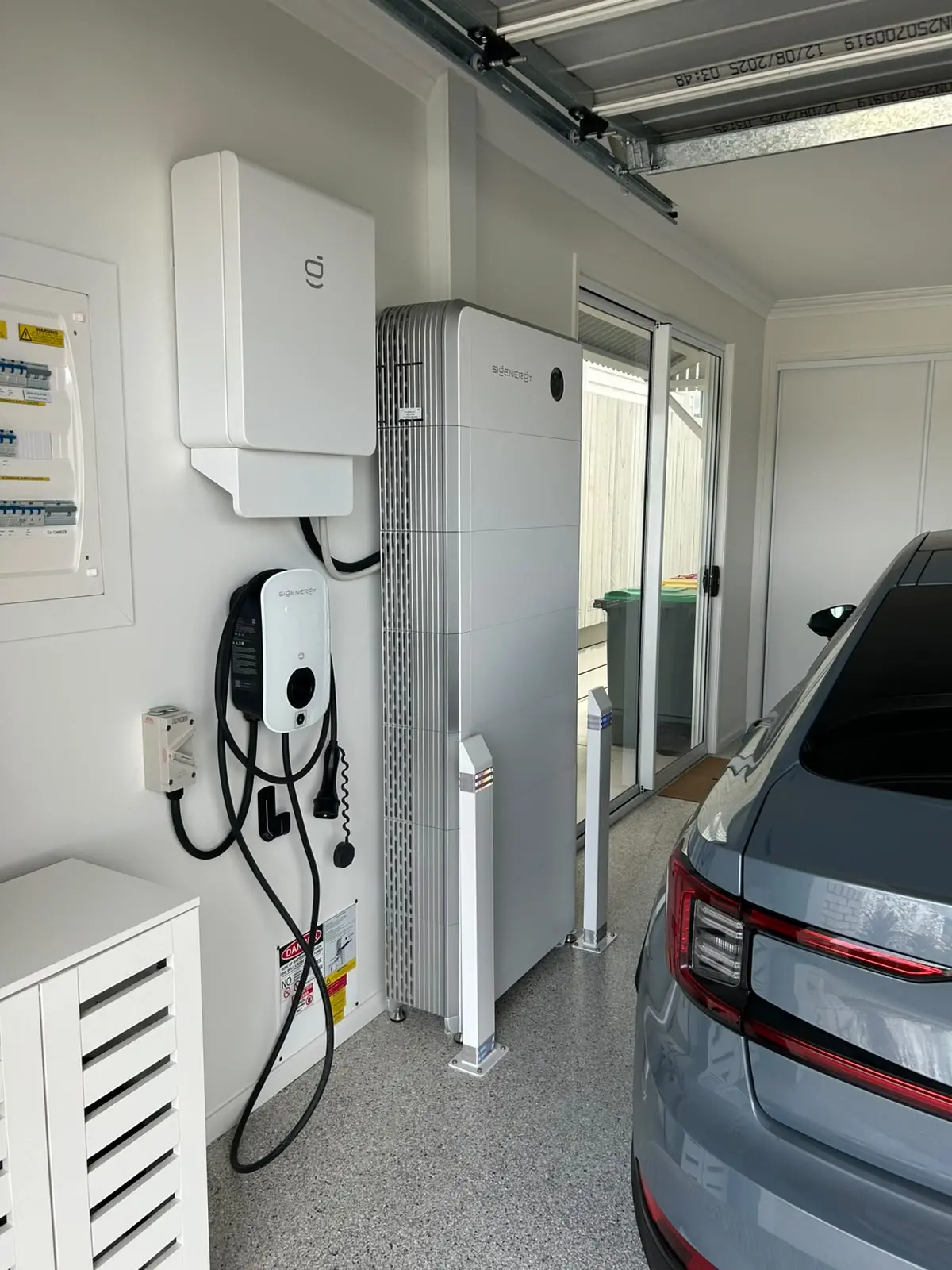
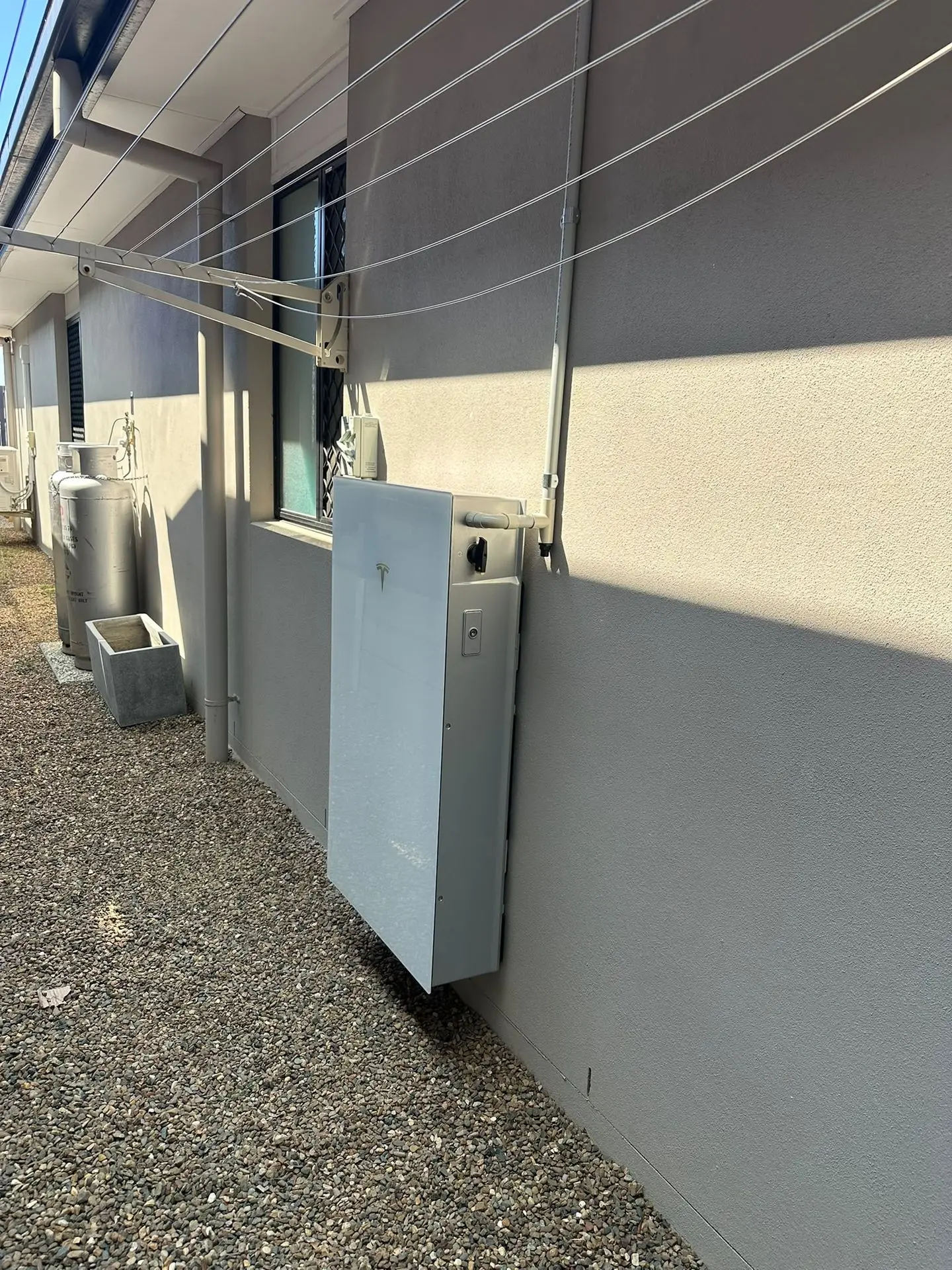
It is very common to see your solar monitoring app (such as Tesla, Sungrow iSolarCloud, or Sigenergy) display 0kW Grid Import, while your electricity bill shows a small charge. This discrepancy comes down to how different devices measure and record energy.
Your solar inverter communicates with its monitoring platform by uploading economical packets of data over Wifi, usually at 5-minute intervals. If a 2-second grid draw occurs when a toaster turns on, the app averages that spike across the 5-minute window, frequently displaying a flat 0.0kW line.
Your smart meter, by contrast, records continuous energy movement for billing purposes. Furthermore, grid-connected inverters are programmed to operate within a small safety buffer (around 200 watts of the zero mark). Because Australian distribution networks enforce strict rules against unpermitted grid exports, inverters are designed to err on the side of tiny grid import rather than risk exporting unmonitored power. Australian compliance standards consider this 200W control margin within normal operating limits.
3. Battery Management Systems (BMS) & System Discharge Limits
Even when a battery dashboard displays 100% state-of-charge, internal operating rules may limit how much power the battery can supply at any given moment.
- BMS Charging & Discharging Throttle: As a lithium battery approaches full capacity (above 80-90% state of charge), the internal BMS deliberately slows down energy flow to perform cell balancing, prevent overvoltage, and protect battery life.
- Continuous Inverter Output Limits: Batteries have two separate ratings: capacity (measured in kWh) and power output (measured in kW). If you have a 13.5kWh battery with a maximum continuous output of 5kW, and your household simultaneously runs an induction cooktop, air conditioner, and clothes dryer totalling 7kW, your system will supply 5kW from the battery and automatically pull the remaining 2kW from the grid.
- Standby & Control Power Draw: Modern hybrid inverters, Wifi communication modules, and active thermal management fans consume a small baseline amount of power (parasitic draw) to operate internal safety circuits.
Read more: What's the Difference Between kW and kWh?
4. Controlled Loads & Unmonitored Circuits
If your electricity bill shows significant grid imports (several kilowatt-hours per day) despite a full battery, the cause is often an unmonitored or isolated circuit rather than a brief inverter response lag.
In many Aussie homes, heavy-drawing appliances like electric hot water systems, heat pumps, or pool filtration pumps are wired to dedicated Controlled Load Tariffs (such as Tariff 31 or Tariff 33 in QLD).
Because controlled loads are separate meter tails controlled directly by the electricity distributor, standard solar battery systems are often not wired to power or monitor these circuits. As a result, your hot water heater may draw off-peak grid power overnight, generating charges on your retail bill while your solar app remains completely blind.
Read more: Peak vs Off-Peak Power in Australia
What's Normal vs When You Need a Service
Understanding what level of grid import is expected helps you identify whether your system is operating normally or if it requires a service.
- Normal System Behaviour: Importing 0.1kWh to 0.5kWh per day (around 10-15c daily) in split-second response adjustments is completely standard for grid-tied systems.
- Abnormal System Behaviour: Importing 2kWh or more per day when your battery remains fully charged indicates an issue with configuration, settings, or installation wiring.
Springers Solar | Queensland's Most Experienced Solar Installer
Springers Solar provides quality components with proven performance, backed by industry-leading warranties, and dedicated after-sales support. Thousands of satisfied customers over more than 24 years of operation makes Springers Solar one of the most established and experienced solar companies in Australia.
Springers Solar has received multiple awards for design and installation and is a certified/preferred installer for a large range of solar panel, inverter, and solar battery manufacturers, including Sigenergy, Tesla, and Sungrow.
Our dedicated in-house team of electrical engineers, project managers, solar PV designers, solar installers, and electricians work closely with you before, during, and long after your project is completed. Springers Solar offers an industry-leading 10-year workmanship warranty which is a testament to our qualified staff and offers you outstanding value and peace of mind.
You Have a Full Battery But You’re Still Being Charged Electricity Imports. Why?